

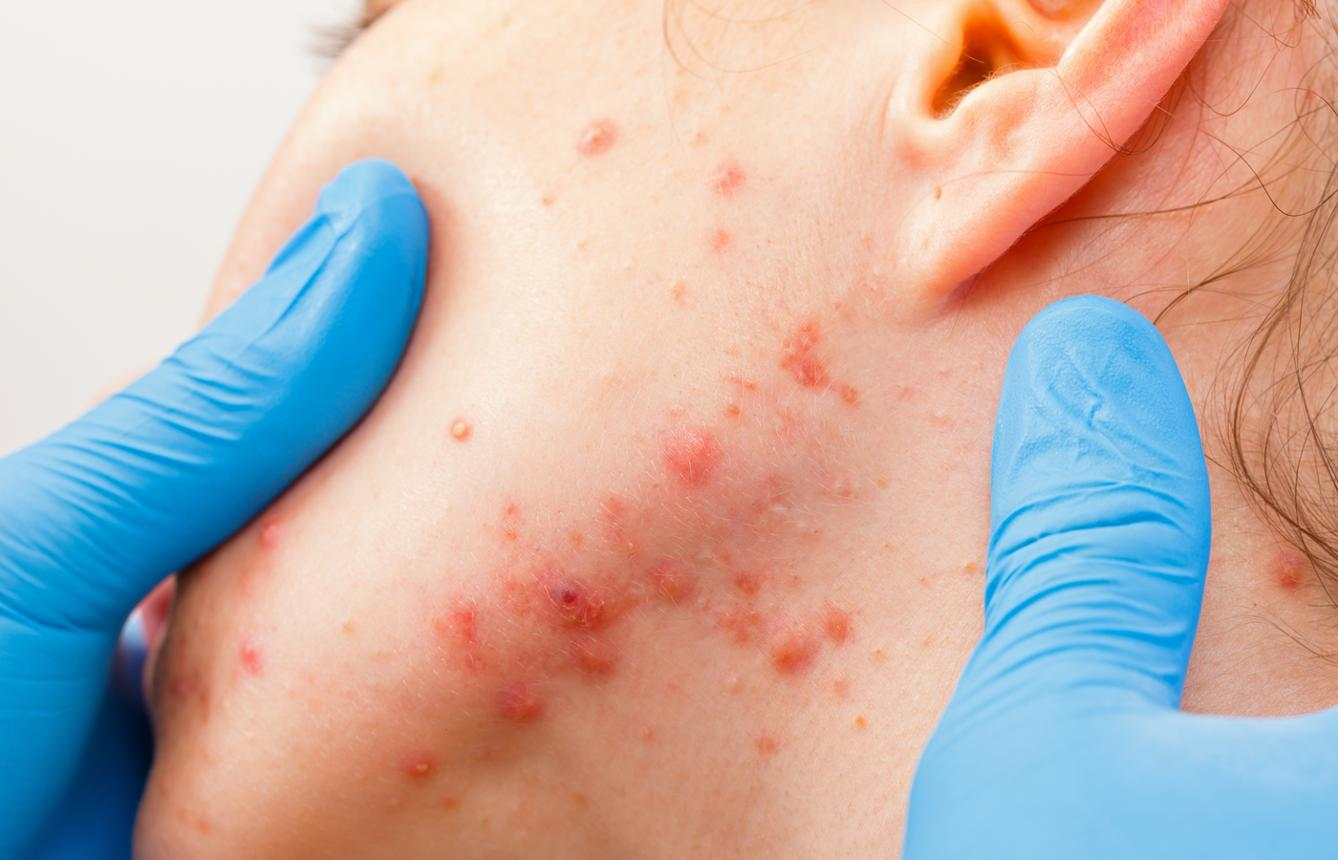


Healthy skin depends on a balanced cycle of cell renewal. When this process becomes disrupted, problems such as acne and psoriasis can develop. In acne, pores become clogged with excess oil and dead skin cells, while psoriasis causes skin cells to multiply far more rapidly than normal, resulting in thick, scaly plaques.
Modern dermatology offers several topical retinoids to help regulate skin cell turnover, and one of the most effective prescription options is tazarotene. Widely used for both acne and plaque psoriasis, tazarotene helps normalize skin renewal while reducing inflammation and improving overall skin texture.
Understanding Acne and Psoriasis
Although acne and psoriasis are very different conditions, they both involve abnormal skin cell behavior.
Acne commonly causes:
- Blackheads
- Whiteheads
- Inflamed pimples
- Cysts
- Oily skin
- Post-acne marks
Psoriasis commonly causes:
- Thick scaly plaques
- Red, inflamed skin
- Dryness
- Itching
- Cracking
- Skin discomfort
Both conditions often require treatments that work beneath the surface of the skin rather than simply treating visible symptoms.
What Is Tazarotene?
Tazarotene is a third-generation topical retinoid derived from vitamin A.
After being applied to the skin, it helps regulate the growth and maturation of skin cells. This allows clogged pores to clear more effectively in acne while slowing the excessive production of skin cells that occurs in psoriasis.
Because of its targeted mechanism of action, tazarotene has become an important option for long-term dermatological treatment.
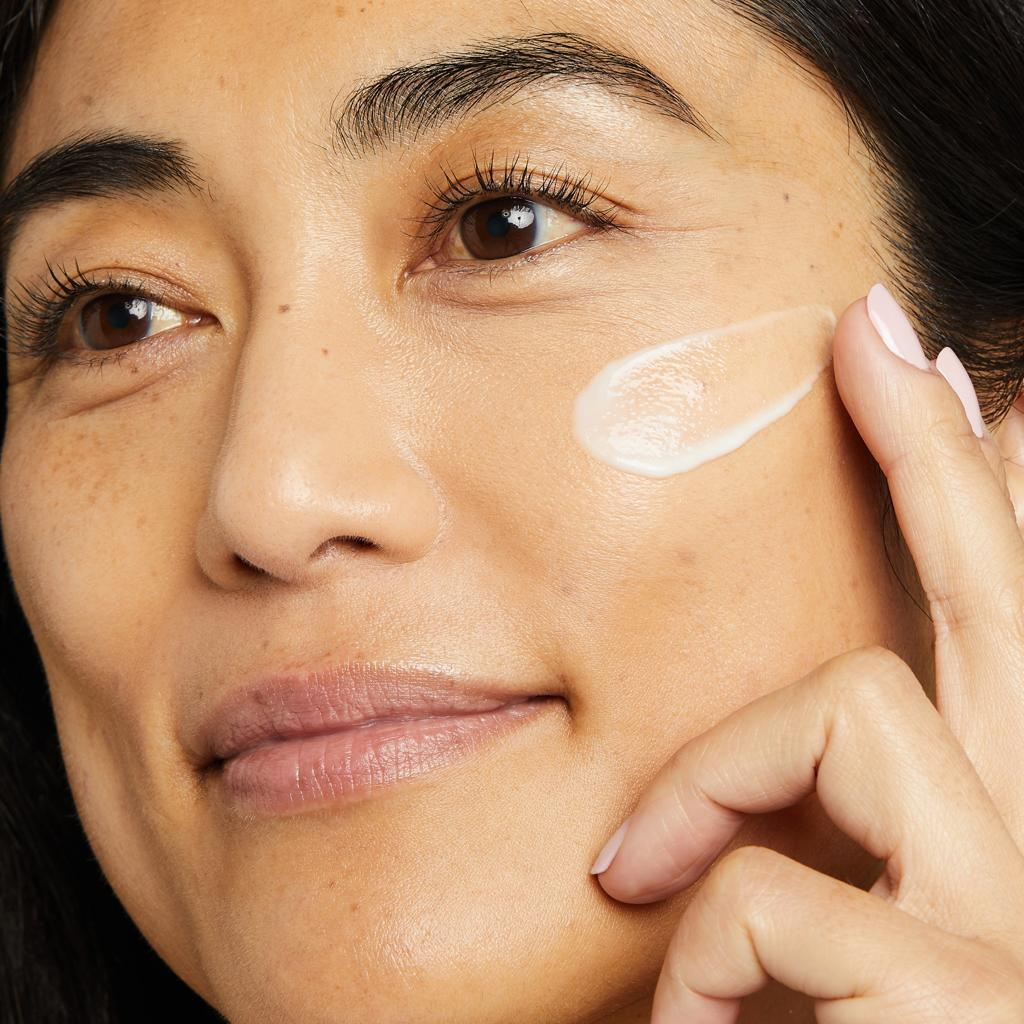
How Tazarotene Works
Healthy skin constantly replaces old cells with new ones.
When this process becomes abnormal:
- Dead skin cells accumulate.
- Hair follicles become blocked.
- Inflammation develops.
- Skin texture becomes uneven.
- Thick plaques may form in psoriasis.
Tazarotene helps normalize this process by:
- Increasing healthy cell turnover
- Preventing clogged pores
- Reducing inflammation
- Improving skin texture
- Supporting healthier skin renewal
With consistent use, many patients experience gradual improvements in both skin appearance and overall skin quality.
Conditions That May Benefit From Treatment
Healthcare professionals commonly prescribe topical tazarotene for:
Acne Vulgaris
Regular use may reduce both inflammatory and non-inflammatory acne lesions while helping prevent new breakouts.
Plaque Psoriasis
Tazarotene helps normalize excessive skin cell production, reducing plaque thickness and scaling.
Photoaged Skin
Some dermatologists also recommend topical retinoids to improve uneven pigmentation, fine lines, and rough skin texture caused by long-term sun exposure.
What to Expect During Treatment
Like many retinoids, tazarotene works gradually.
During the first several weeks, patients may notice:
- Mild peeling
- Dryness
- Temporary redness
- Slight burning sensation
- Skin sensitivity
These effects often improve as the skin adjusts to treatment.
Visible improvements typically become more noticeable after several weeks of consistent use.
Tips for Better Results
Start Slowly
Some patients benefit from applying the cream every other evening during the first few weeks before increasing frequency if recommended by their healthcare provider.
Moisturize Regularly
A gentle moisturizer may reduce dryness and improve treatment comfort.
Avoid Harsh Skincare Products
Strong exfoliants, alcohol-based toners, and abrasive scrubs may increase irritation.
Protect Your Skin From the Sun
Retinoids may increase skin sensitivity to sunlight, making daily sunscreen an important part of skincare.
Be Consistent
Long-term consistency generally produces better results than frequent changes in treatment.
Possible Side Effects
Most side effects are limited to the area where the cream is applied.
Possible reactions include:
- Dry skin
- Mild redness
- Peeling
- Burning sensation
- Itching
- Temporary irritation
These effects are usually most noticeable during the early weeks of treatment.
Supporting Healthy Skin
Medication works best when combined with healthy skincare habits.
Dermatologists often recommend:
- Washing the skin with gentle cleansers
- Avoiding unnecessary picking or scratching
- Maintaining regular moisturization
- Using non-comedogenic skincare products
- Following treatment instructions consistently
These simple measures may improve comfort while supporting better long-term skin health.
Finding Quality Treatment Options
Using authentic prescription dermatology products from trusted suppliers helps ensure treatment quality and consistency.
Patients interested in learning more about Tazarotene Cream (Tazorac Generic) can review detailed product information, available strengths, and usage recommendations before discussing treatment options with their healthcare provider.
Final Thoughts
Acne and psoriasis are chronic skin conditions that often require ongoing management rather than short-term treatment. Modern topical retinoids like tazarotene help address the underlying changes in skin cell turnover that contribute to these disorders.
When used under professional guidance and combined with a gentle skincare routine, consistent moisturization, and sun protection, tazarotene can play an important role in improving skin clarity, reducing inflammation, and supporting healthier skin over time.
