

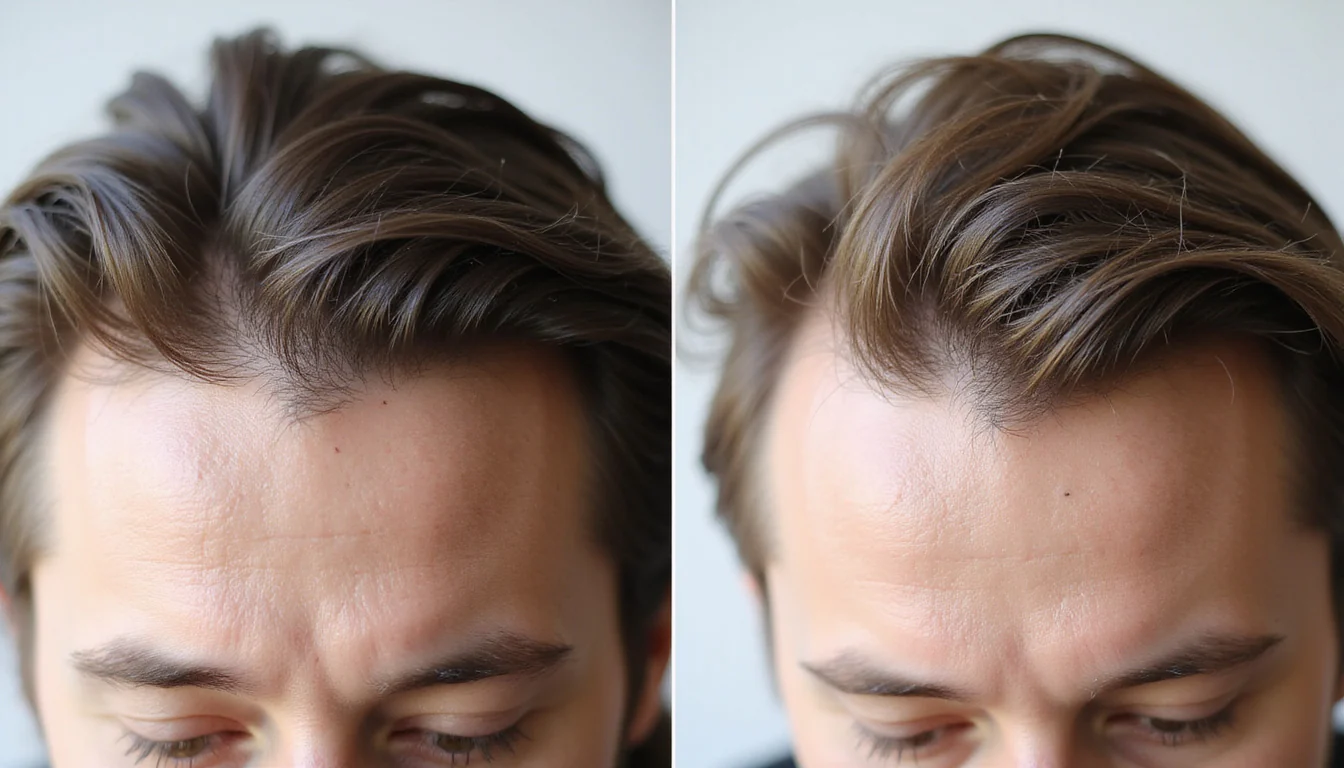


Hair loss is a common concern that affects millions of people worldwide. For decades, treatments for thinning hair have focused mainly on topical solutions, lifestyle changes, and surgical procedures. However, a medication originally developed for high blood pressure has gained attention in the hair restoration field: oral minoxidil.
Once used primarily as a topical treatment, minoxidil is now being studied and prescribed in low-dose oral form to support hair growth. This emerging approach is changing how doctors and patients think about managing different types of hair loss.
What Is Oral Minoxidil?
Oral minoxidil is a tablet form of minoxidil, a medication that was originally approved to treat hypertension (high blood pressure). During its use as a blood pressure medication, researchers noticed an interesting side effect: increased hair growth.
This discovery led to the development of topical minoxidil products, which became widely used for hair loss. More recently, dermatologists have explored low-dose oral minoxidil (LDOM) as an alternative option for certain patients experiencing hair thinning.
Unlike topical minoxidil, which is applied directly to the scalp, oral minoxidil works throughout the body by influencing blood flow and hair follicle activity.
How Does Oral Minoxidil Work for Hair Growth?
The exact mechanism of oral minoxidil for hair growth is still being researched, but experts believe it works through several processes.
Improves Blood Flow to Hair Follicles
Minoxidil is known as a vasodilator, meaning it helps widen blood vessels. Improved circulation around hair follicles may provide better access to oxygen and nutrients needed for healthy hair growth.
Extends the Hair Growth Phase
Hair naturally goes through different growth cycles. Oral minoxidil may help extend the anagen phase, which is the active growth stage of the hair cycle.
This can result in:
- Longer-lasting hair growth
- Thicker hair strands
- Improved hair density
Stimulates Weak Hair Follicles
Some thinning hair occurs because follicles become smaller over time. Minoxidil may help reactivate weakened follicles and encourage them to produce stronger hairs.
Why Are More Doctors Considering Oral Minoxidil?
Traditional topical minoxidil has helped many people, but it also has limitations. Some users experience scalp irritation, inconsistent application, or difficulty maintaining a daily routine.
Oral minoxidil offers several potential advantages.
1. Easier Application
One of the biggest benefits of oral hair loss treatment is convenience. Instead of applying liquid or foam products to the scalp every day, patients take a small prescribed dose.
This may improve consistency, which is important because hair treatments usually require long-term use.
2. May Help People Who Do Not Respond to Topical Minoxidil
Some individuals do not achieve their desired results with topical minoxidil. Others may experience:
- Scalp dryness
- Itching
- Irritation
- Difficulty applying the product evenly
For these patients, doctors may consider oral minoxidil as another treatment option.
3. Works Across Different Types of Hair Loss
Research and clinical experience suggest that low-dose oral minoxidil may be useful for several forms of hair loss, including:
- Pattern hair loss in men
- Female pattern hair loss
- Diffuse hair thinning
- Some cases of telogen effluvium
However, treatment suitability depends on individual health factors and should always be discussed with a healthcare professional.
Oral Minoxidil for Male Pattern Hair Loss
Male pattern hair loss, also called androgenetic alopecia, is one of the most common causes of thinning hair in men. It is often linked to genetics and sensitivity to hormones.
Oral minoxidil may help some men by:
- Increasing hair thickness
- Improving scalp coverage
- Slowing visible thinning
It is sometimes considered when topical treatments are not effective or well tolerated.
Oral Minoxidil for Female Hair Loss
Women can also experience significant hair thinning due to genetics, hormones, aging, stress, or medical conditions.
Female pattern hair loss often appears as:
- Widening hair part lines
- Overall thinning
- Reduced hair volume
Low-dose oral minoxidil has become an increasingly discussed option for women who need additional support for hair growth.
Possible Side Effects of Oral Minoxidil
Because oral minoxidil affects the entire body, it may cause side effects that are different from topical treatments.
Possible side effects include:
- Increased body hair growth
- Fluid retention
- Swelling in the legs or face
- Increased heart rate
- Dizziness
- Changes in blood pressure
The risk of side effects depends on the dosage and individual health conditions. Doctors typically prescribe low doses and monitor patients carefully.
Who Should Be Careful With Oral Minoxidil?
Oral minoxidil may not be suitable for everyone. People with certain medical conditions should discuss risks with their healthcare provider before using it.
Extra caution may be needed for individuals with:
- Heart conditions
- Low blood pressure
- Kidney problems
- Medication interactions
A medical evaluation helps determine whether oral minoxidil is an appropriate choice.
How Long Does Oral Minoxidil Take to Show Results?
Hair growth is a slow process, and patience is essential. Most hair treatments require consistent use before noticeable changes appear.
Many patients may begin noticing improvements after several months, while more significant results can take longer.
Factors affecting results include:
- Cause of hair loss
- Age
- Genetics
- Treatment consistency
- Overall health
Oral Minoxidil vs Topical Minoxidil
Both forms contain the same active ingredient, but they work differently.
Topical Minoxidil
Advantages:
- Applied directly to the scalp
- Widely available
- Long history of use
Challenges:
- Requires daily application
- May cause scalp irritation
- Can be difficult to apply evenly
Oral Minoxidil
Advantages:
- Convenient tablet form
- May benefit people who do not tolerate topical products
- Provides a whole-body approach
Challenges:
- Requires medical supervision
- May cause systemic side effects
The best option depends on individual needs and medical advice.
The Future of Hair Loss Treatment
The growing interest in oral minoxidil reflects a broader shift toward personalized hair loss treatments. Researchers continue studying how different medications, combinations, and approaches can improve outcomes.
Future developments may include:
- More targeted hair growth therapies
- Better understanding of follicle biology
- Personalized treatment plans based on genetics
As research continues, oral minoxidil may become an increasingly important tool in the management of hair loss.
Final Thoughts
Oral minoxidil is changing the landscape of hair loss treatment by offering a convenient and potentially effective option for people struggling with thinning hair. While it is not a universal solution, many patients have found benefits when it is used under proper medical guidance.
Anyone considering oral minoxidil should consult a qualified healthcare professional to understand the potential benefits, risks, and whether it fits their specific hair loss condition. With continued research, this treatment may play an even larger role in helping people achieve healthier, fuller-looking hair.
