

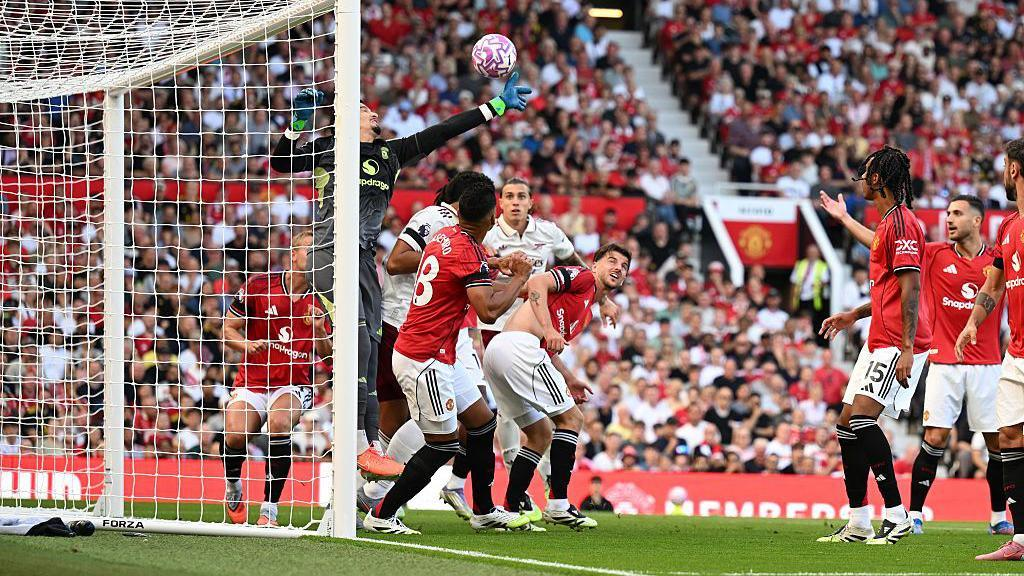


Set-piece defense often reveals invisible tactical fragility. During the 2018/2019 season, several teams repeatedly conceded from corners and free kicks, not by coincidence but through mechanical breakdowns — poor marking structure, weak aerial duels, and reactive second-ball coverage. For bettors, these inefficiencies presented subtle yet powerful angles: opportunities to bet “against” the struggling side, especially in matchup-specific or player-goal markets that priced defensive stability too generously.
Why Set-Piece Vulnerability Matters to Bettors
Set-piece weakness forms one of the few consistent predictive patterns in football betting. Unlike open play, restarts follow rehearsed setups. A team failing to defend them over extended samples rarely improves through luck alone. Weakness here compounds over time, inviting statistical exploitation. When the market overlooks this detail and values teams primarily on overall win probability, contrarian bettors can extract value in first-goal, anytime-scorer, or “goal from set piece” markets.
Structural Roots of Set-Piece Concession Patterns
The frequency of goals conceded from restarts usually stems from systemic, not momentary, lapses. Consistent signs include poor aerial coordination or static defensive reactions on second contacts. The 2018/2019 season showed a clear distinction between zones overloaded with reactive marking and sides with disciplined coordination.
| Deficiency Type | Tactical Cause | Match Impact |
| Zonal rigidity | Misaligned marking zones | Opponents exploit blind gaps |
| Weak aerial core | Lack of height and timing | High corner conversion rates |
| Second-ball neglect | Poor midfield recovery | Conceded rebounds and scrappy goals |
Interpreting these mechanisms in data tables or visual reviews provided bettors clearer evidence to oppose vulnerable sides, particularly against teams emphasizing aerial pressure.
The Contribution of Defensive Personnel Quality
Player profile mismatch amplifies set-piece problems. Teams assembling technically skilled but physically light defenders struggle under sustained set-play bombardment. In 2018/2019, several mid-table squads combining ball-playing backlines with minimal height became reliable over-performance candidates for opposing scorers. Once analytics revealed this imbalance, bettors capitalized on “to score by header” or “goal from corner” markets where pricing inertia persisted for weeks.
Extracting Practical Patterns through UFABET
When bettors interpret these defensive inefficiencies systematically, digital tracking structures sharpen accuracy. Within ufabet, a betting platform integrating historical event visualization, users mapped concession patterns relative to opponent attacking method, identifying when odds failed to incorporate defensive fragility. By filtering match logs through xG-from-set-piece data and real corner frequency, bettors visually confirmed repeat exposure. This evidence-driven opposition model reduced emotional bias by converting defensive reputation into quantifiable weakness — a sustainable edge when executed across full-season datasets.
Comparing Open-Play Defenders and Set-Piece Reliability
Defensive excellence in open play does not guarantee set-piece stability. Teams maintaining shape in motion can falter under static concentration demands.
H3: The Psychological Mechanism behind Late-Game Concessions
Set-piece goals often arrive in the final 20 minutes when fatigue undermines focus. The 2018/2019 metrics showed that nearly 40% of all corner goals conceded by relegation-threatened clubs occurred after the 70th minute. Understanding this psychological and physiological correlation provided in-play bettors valuable timing cues, guiding late wagers favoring another goal via structured set pieces rather than open-play breakdowns.
Tactical Exposure and Form-Cycle Prediction
Trend endurance depends on managerial agility. Some coaches adjusted mid-season through zonal-to-man hybrid conversions; others persisted with flawed setups due to personnel continuity or confidence erosion. Tracking tactical reconfiguration became pivotal — when defensive schemes remained static over multiple matches, betting against those teams produced sustained profitability until tactical correction or squad turnover restored parity.
Integrating Analytical Concepts from casino online Probability Modeling
When viewed through models commonly employed in probabilistic simulations across casino online, the pattern of repeated set-piece concessions mirrors statistical independence violations — when an event correlates with structural bias rather than random distribution. Translating that concept into football analytics underlies why set-piece patterns sustain predictive relevance longer than isolated open-play metrics. Bettors who applied set-piece variance theory, treating these goals as semi-predictable rather than stochastic, achieved more stable return curves across seasonal cycles.
Recognizing When the Edge Decays
Every structural inefficiency faces market correction. Once analysts highlight teams’ set-piece fragility publicly, oddsmakers adjust goal-prop markets downward. Sustained profitability then relies on identifying fresh candidates before metrics normalize. Observing newly promoted sides early or those integrating unfamiliar defensive pairings often uncovers emerging vulnerabilities before statistical pricing adapts.
Summary
Throughout the 2018/2019 season, teams conceding heavily from set pieces represented recurring contrarian value for sharp bettors. Their weaknesses derived not from luck but systemic defensive flaws — aerial imbalance, marking lapses, and late-game fatigue. Those able to read the interplay between tactical rigidity and market inertia could exploit clear inefficiencies in goal-type and in-play markets. Betting against structurally fragile sides thus became not emotional opposition but disciplined application of pattern-based logic rooted in measurable defensive variance.
